Wound Care Adult Family Home Placement in Washington
Pressure injuries, diabetic ulcers, and post-surgical wounds need consistent, skilled attention — and a placement where that care can actually be delivered. We help families and discharge planners identify adult family home options in Washington that may be able to evaluate the documented wound care needs.
Who This Placement Is For
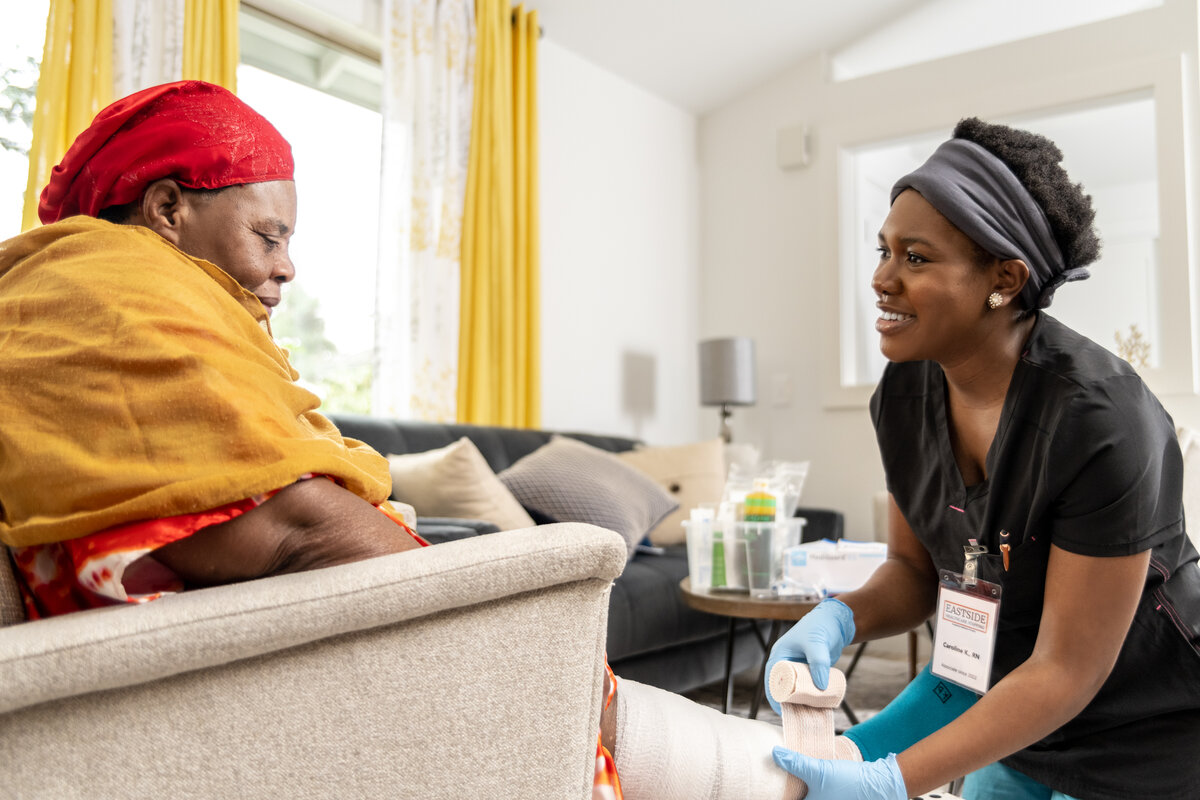
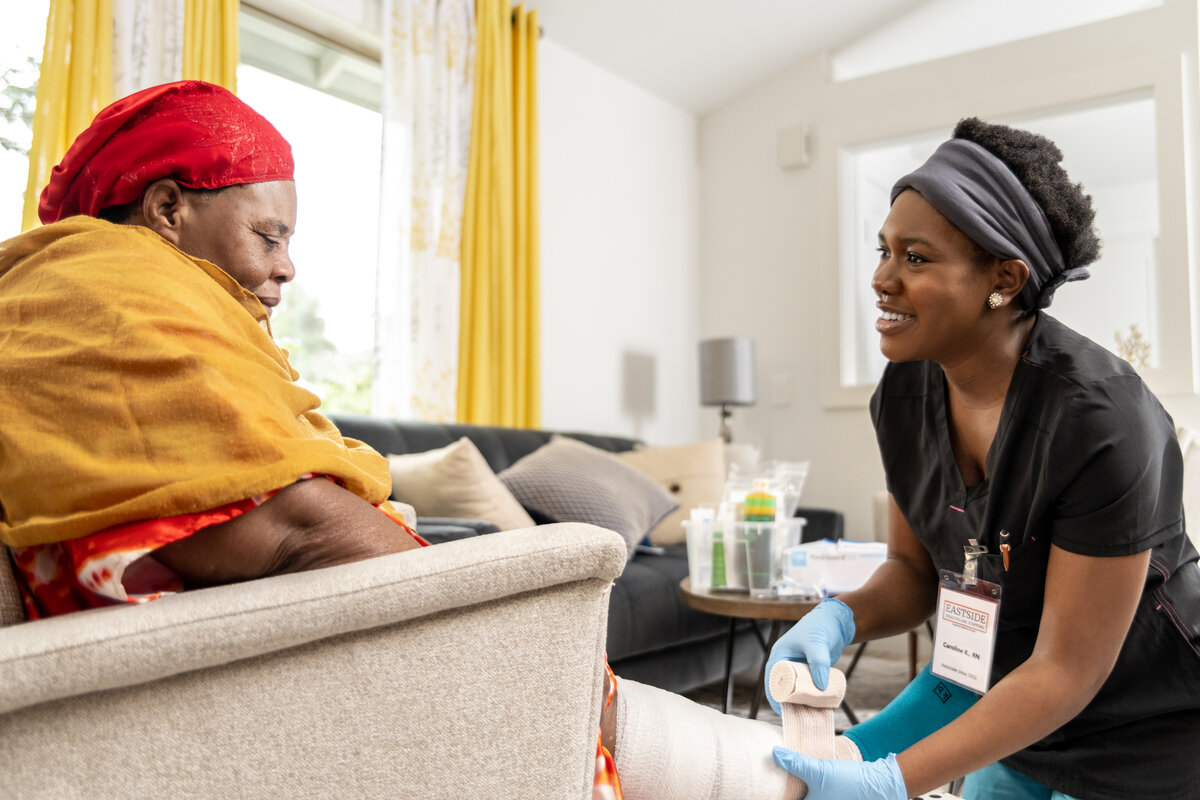
Wound care placement is for adults with pressure injuries, diabetic foot ulcers, venous stasis ulcers, post-surgical wounds, or other wounds that need ongoing management — dressing changes, monitoring for infection, and positioning to prevent worsening. It is often part of a discharge from a hospital or skilled nursing facility.
Families can start with our family guidance, while hospital teams use our discharge planner support when wound management is part of the discharge picture.
Why This Care Need Can Be Difficult to Place
Wounds are common, but the level of care they require varies widely — and many homes are not set up for anything beyond basic first aid.
- Dressing frequency — Some wounds need dressing changes once daily, others several times a day.
- Skilled techniques — Wound packing, debridement, and specialized dressings often require nursing-level skill.
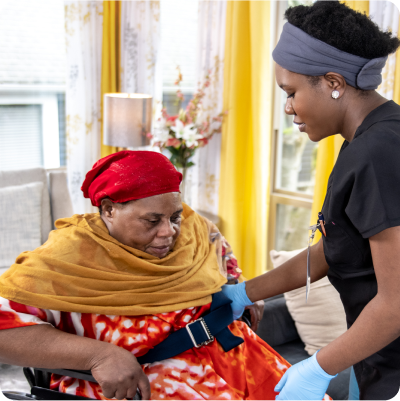
- Prevention burden — Turning, repositioning, and pressure-relief routines are essential to stop wounds from worsening.
- Infection risk — Infected wounds complicate care and may add IV antibiotic needs.
What Information SALN Needs to Begin Matching
To begin matching for wound care, we ask for:
- Wound type, location, and stage or severity
- Dressing type and change frequency, and who currently performs changes
- Whether wound care requires skilled nursing, wound care certification, or a wound care clinic
- Mobility and repositioning needs, and any pressure-relief equipment in use
- Current location, timeline, and payer or funding status
Details on the wound and its treatment plan determine what level of home is a realistic match. Discharge planners can share the full picture through our planner intake process.
Placement Factors We Discuss and Verify
Before presenting potential options, we discuss current availability, provider acceptance criteria, staffing, equipment, payer considerations, location, and care-coordination needs. Final acceptance and clinical care planning remain with the provider and clinical team.
Wound Care Training
Staff trained in dressing changes, wound observation, infection signs, and correct technique for common wound types.
Skilled Nursing Access
Access to RN or LPN for complex dressing changes, wound assessment, and coordination with wound care specialists.
Pressure-Relief Equipment
Specialty mattresses, cushions, and positioning aids to prevent pressure injury progression.
Repositioning Schedules
Structured turning and repositioning routines to protect skin integrity, including for bedbound residents.
Infection Monitoring
Protocols for recognizing and escalating wound infection signs and coordinating treatment when needed.
Nutritional Support
Dietary management that supports wound healing, including protein and hydration needs.
Questions Families and Discharge Planners Should Ask
- Who performs wound care, and what training or certification do they hold?
- How frequently can the home change dressings, and can it support the required schedule?
- What pressure-relief equipment and repositioning routines are in place?
- Is the home willing to accept the documented care needs, and who oversees the wound treatment plan?
- How does the home communicate with the wound care specialist or physician?
These questions determine whether a home can actually deliver the wound care the resident needs. We help families and discharge planners work through them via our placement process.
Washington Service Coverage and Constraints
SALN helps identify adult family home and assisted living options across Washington State, with the deepest network in the greater Seattle area. For families prioritizing the Seattle metro region, our King County placement page outlines the local landscape.
Local wound care placement is available in Seattle, Bellevue, Kirkland, Tacoma, Everett, Redmond.
The main constraint is the gap between the wound's complexity and what a given home is staffed to do — especially for wounds that need skilled nursing or a wound care clinic. We discuss these constraints openly rather than promising a set timeline. To understand the referral flow, see how placement coordination works.
Related Services
Related Resources
Frequently Asked Questions
Can adult family homes provide wound care?
Yes. Many Washington adult family homes provide wound care for residents, including dressing changes, monitoring, and pressure-relief routines. The level of care varies by home, with complex wounds often requiring skilled nursing support.
What training do caregivers need for wound care?
Caregivers should be trained in proper dressing change technique, wound observation, infection recognition, and positioning. Complex wounds may require RN or LPN involvement. We discuss training before recommending any home.
How often are wound dressing changes needed?
Frequency depends on the wound. Some require daily changes while others need multiple changes per day. We match residents with homes able to support the specific treatment plan.
What is a pressure injury and how is it prevented?
A pressure injury is damage to skin and tissue from prolonged pressure. Prevention includes regular repositioning, pressure-relief mattresses and cushions, and skin monitoring. These routines are a core part of wound care in adult family homes.
Does insurance cover wound care in an AFH?
Medicare may cover skilled wound care through home health services, and Medicaid COPES may cover the AFH care portion. Private insurance varies. We help families understand what may apply.
How quickly can you help with a wound care placement?
We typically aim to present potential options within a few days when complete information is provided. Hospital discharges with a clear wound treatment plan can often be expedited.
Need Wound Care Placement Help?
We help families and discharge planners identify adult family home options that may be able to evaluate the documented wound care needs. There is no cost to families, and referrals are confidential.