Tracheostomy Care Adult Family Home Placement in Washington
Tracheostomy residents need consistent airway management, suctioning, and emergency readiness. We help families and discharge planners identify adult family home options in Washington that may be able to evaluate the documented trach care needs.

Who This Placement Is For
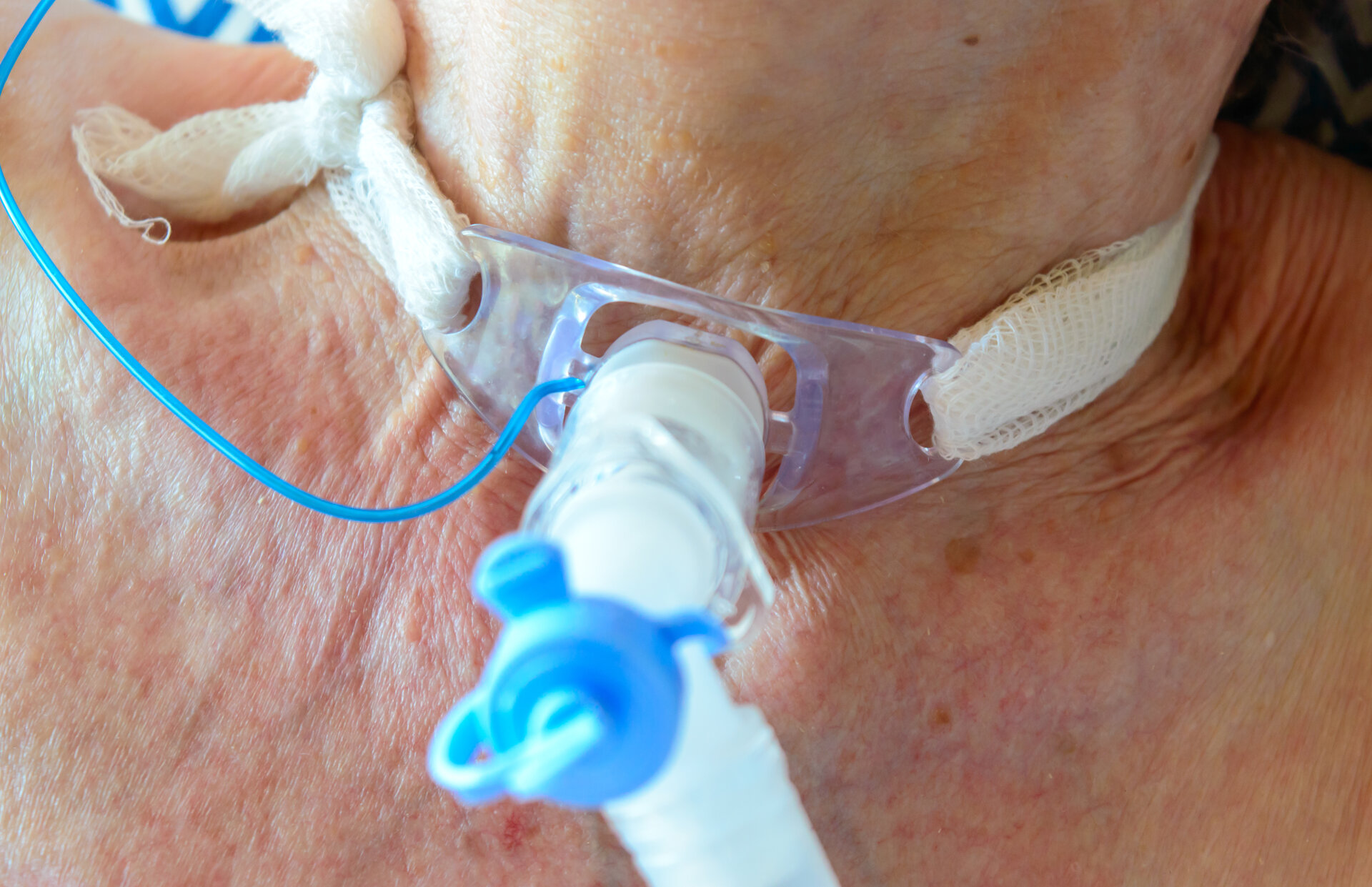
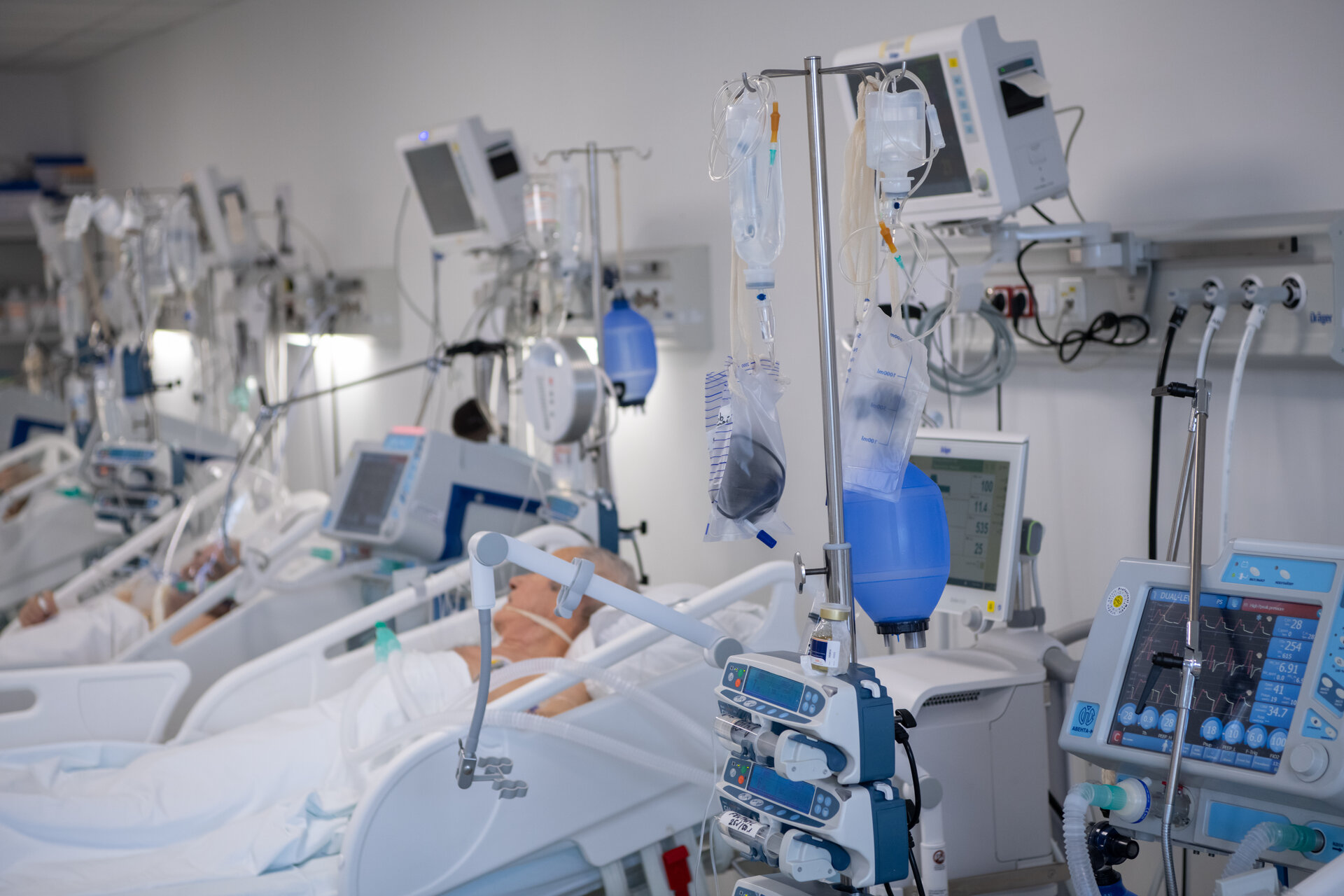
Tracheostomy care placement is for adults living with a tracheostomy tube who need ongoing airway care in a residential setting — suctioning, stoma and tube maintenance, humidification, and monitoring for respiratory distress. It also serves people who have a trach and are working toward decannulation, ventilator independence, or step-down from a hospital.
Families often begin with our family guidance, while hospital teams use our discharge planner support for residents being transitioned out of acute care.
Why This Care Need Can Be Difficult to Place
Trach care sits at the boundary between residential care and skilled nursing. Many facilities decline trach referrals because they are not prepared for the routine and emergency responsibilities involved.
- Specialized training — Caregivers must master suctioning, stoma care, tube securement, and recognition of respiratory distress.
- Emergency risk — Accidental decannulation and mucus plugging are emergencies that require immediate, trained response.
- Nursing oversight — Tube changes and complex cases often need RN or LPN involvement that homes must arrange.
- Equipment and supplies — Suction machines, humidification, backup tubes, and Ambu bags must be on hand and maintained.
What Information SALN Needs to Begin Matching
To begin matching for trach care, we ask for the documented care picture:
- Trach type, tube size, and whether the resident has a speaking valve
- Suctioning frequency and whether care is routine or complex
- Nursing requirements, including whether skilled nursing or PDN is needed
- Co-occurring respiratory, swallowing, or medical conditions
- Current location, discharge timeline, and payer or funding status
Sharing complete clinical records early helps us avoid presenting homes that are not a realistic match. Discharge planners can pass these directly through our planner intake process.
Placement Factors We Discuss and Verify
Before presenting potential options, we discuss current availability, provider acceptance criteria, staffing, equipment, payer considerations, location, and care-coordination needs. Final acceptance and clinical care planning remain with the provider and clinical team.
Trained Caregivers
Staff trained in tracheostomy care, suctioning technique, emergency procedures, and recognition of respiratory distress signs.
Suction Equipment
Portable and stationary suction machines, appropriate catheters, and supplies for routine and emergency suctioning.
Humidification Systems
Trach collars, humidity systems, or other methods to maintain airway moisture and prevent mucus plugging.
Emergency Supplies
Backup trach tubes, obturators, Ambu bags, and emergency airway equipment readily accessible.
Nursing Support
Access to skilled nursing for trach changes, complex care needs, and clinical oversight.
Physician Access
Established relationships with pulmonologists or ENT specialists for trach-related medical needs.
Questions Families and Discharge Planners Should Ask
- What is the suctioning schedule, and who is trained to respond to respiratory distress at night?
- How are accidental decannulation and mucus plugging handled, and is a backup tube available?
- Who performs routine trach changes, and how often does nursing visit?
- Is the home willing to accept the documented care needs, and what training documentation is kept?
- What happens if the resident's suctioning needs increase over time?
Families can raise these questions on tours, and discharge planners can ask them during provider calls. We help coordinate both through our placement process.
Washington Service Coverage and Constraints
SALN helps identify adult family home and assisted living options across Washington State, with the strongest network in the greater Seattle area and surrounding counties. For families focusing on the north end, our Snohomish County placement page provides a regional overview.
Local tracheostomy care placement coverage is available in Seattle, Bellevue, Kirkland, Tacoma, Everett, and Redmond.
Trach availability is limited by staff training and nursing access, and timelines depend on provider acceptance and funding. We discuss these constraints openly rather than promising a set turnaround. To see what happens after you reach out, review how placement coordination works.
Related Services
Related Resources
Frequently Asked Questions
Can adult family homes care for tracheostomy residents?
Yes. Many Washington adult family homes are equipped and trained for trach care. The level of support varies — some handle routine care while others provide complex respiratory management with skilled nursing support.
What training do caregivers need for trach care?
Caregivers should be trained in suctioning, stoma care, tube securement, emergency response, and recognition of respiratory distress. We discuss training documentation before recommending any home.
How often will my loved one need suctioning?
Suctioning frequency varies by resident — some need it every few hours, others more often. We match residents with homes able to support their specific schedule.
What happens if the trach tube comes out accidentally?
Accidental decannulation is a medical emergency. Qualified trach care homes have emergency protocols, backup tubes, and trained staff who can respond immediately.
Does my loved one need a nurse for trach care?
It depends on complexity. Stable residents with routine care needs may not require continuous nursing, while those with frequent suctioning or complex needs often benefit from skilled nursing support.
How quickly can you help with a trach placement?
We typically aim to present potential options within a few days when complete information is available. Urgent hospital discharges can often be expedited with full clinical documentation.
Need Tracheostomy Care Placement Help?
We help families and discharge planners identify adult family home options that may be able to evaluate the documented trach care needs. There is no cost to families, and referrals are confidential.