Ventilator Care in Bellingham Adult Family Homes and Assisted Living Facilities
Find Bellingham-area adult family homes equipped to provide 24/7 mechanical ventilation management with respiratory therapy support and emergency response protocols. Our placement service matches your loved one with qualified homes — at no cost to families.
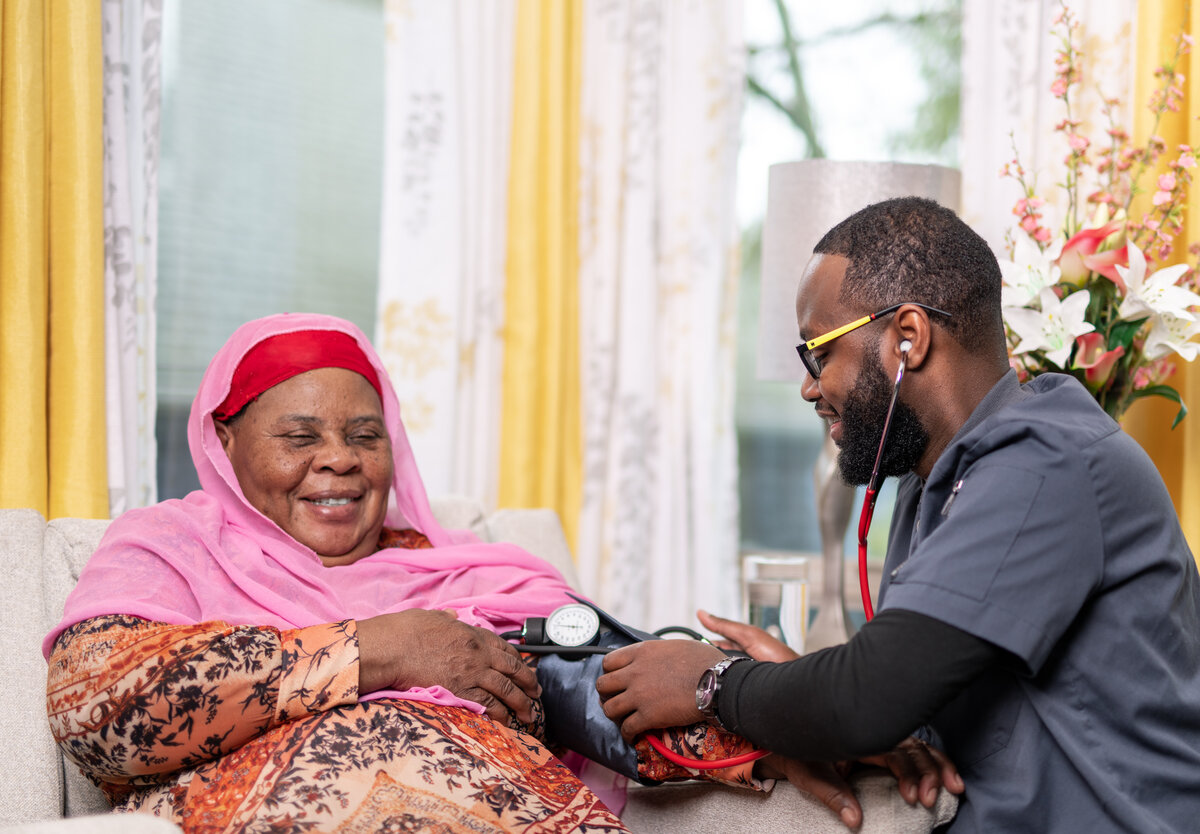
Understanding Ventilator Care in Bellingham Adult Family Homes
When your loved one requires ventilator care, finding the right care environment becomes critical. Adult family homes in Bellingham offer a unique alternative to large institutional facilities, providing 24/7 mechanical ventilation management with respiratory therapy support and emergency response protocols in a comfortable, home-like setting with personalized attention from dedicated caregivers.
According to Washington State DSHS, adult family homes must meet strict licensing requirements for safety, staffing, and specialized care capabilities. Bellingham-area AFHs providing ventilator care undergo additional training and certification to ensure they can safely manage the complex needs of their residents.
Bellingham Assisted Living Network specializes in placing patients who need ventilator care in qualified Bellingham adult family homes. We understand that not every AFH can provide this level of specialized care — our network includes only those homes with verified capabilities, trained staff, and appropriate equipment to deliver quality ventilator care.
Bellingham Areas We Serve for Ventilator Care
Our ventilator care placement services cover all of Bellingham and surrounding communities including Capitol Hill, Ballard, West Bellingham, and Queen Anne. We work with adult family homes throughout these neighborhoods to find the best match for your loved one's specific care needs and your family's location preferences.
Why Choose a Bellingham Adult Family Home for Ventilator Care?
Adult family homes offer significant advantages over larger facilities for patients requiring ventilator care. With a maximum of six residents per home, AFHs provide the individualized attention that complex care needs demand.
Individualized Care Plans
With only 2-6 residents, Bellingham AFHs create truly personalized ventilator care plans tailored to each resident's specific medical needs, preferences, and daily routines.
Home Environment
Receive ventilator care in a residential setting that feels like home, not an institution. This familiar environment often leads to better outcomes and quality of life.
Cost-Effective Care
According to the Genworth Cost of Care Survey, adult family homes often cost less than nursing facilities while providing comparable or superior specialized care.
Specialized Ventilator Care Expertise
Our Bellingham network includes AFHs specifically equipped and trained for ventilator care, with staff who understand the unique requirements of this care specialty.
Healthcare Access
Bellingham offers excellent healthcare infrastructure including UW Medical Center, Harborview, and Swedish, ensuring your loved one has access to emergency services and specialist care when needed.
Family Involvement
Adult family homes encourage family visits and involvement in care decisions. The intimate setting allows families to build relationships with caregivers and stay connected with their loved one.
Ventilator Care Costs in Bellingham
The cost of ventilator care in Bellingham adult family homes varies based on the level of care required, specific medical equipment needs, and skilled nursing hours. Understanding these costs helps families plan appropriately and explore funding options.
Typical ventilator care costs in Bellingham-area adult family homes range from $8,000 to $18,000 per month, depending on acuity level. This generally includes room and board, 24-hour supervision, medication management, and specialized ventilator care services. Private duty nursing, if required, may be additional.
Payment Options for Ventilator Care
- Private Pay — Personal funds, retirement savings, or family contributions
- Long-Term Care Insurance — Many policies cover adult family home care including specialized services
- Medicaid COPES — Washington's COPES program may cover AFH costs for eligible residents
- Veterans Benefits — Aid & Attendance benefits can help cover ventilator care costs
Our placement advisors can help you understand costs and explore payment options during your free consultation. We know which Bellingham homes accept various payment sources and can match you with appropriate options.
Our Bellingham Ventilator Care Placement Process
Finding the right adult family home for ventilator care requires expertise. Our free placement service guides you through every step, ensuring your loved one receives quality care in a Bellingham home that meets their specific needs.
1. Comprehensive Assessment
We discuss your loved one's ventilator care requirements in detail — medical history, current care needs, equipment requirements, physician orders, and personal preferences. This thorough understanding allows us to identify truly appropriate matches.
2. Targeted Bellingham Home Matching
Within 48-72 hours, we identify adult family homes in Bellingham that can provide the specific ventilator care your loved one needs. We pre-screen for licensing, staff qualifications, equipment capabilities, and current availability.
3. Guided Tours and Evaluation
We arrange tours at your top options and can accompany you to help evaluate each home's ventilator care capabilities. We'll help you ask the right questions and assess fit.
4. Placement and Follow-Up
Once you choose a home, we coordinate the transition and follow up at 30 and 90 days to ensure the placement is successful and your loved one is receiving quality ventilator care.
Frequently Asked Questions: Ventilator Care in Bellingham
How do I find a Bellingham adult family home that provides ventilator care?
Our free placement service specializes in matching patients with AFHs equipped for ventilator care. We've already vetted Bellingham-area homes for their specialized care capabilities and can identify appropriate options within 48-72 hours. Contact us for a free consultation to discuss your specific needs.
What qualifications should Bellingham AFH staff have for ventilator care?
Staff providing ventilator care should have specific training and certification for this care specialty. We verify that homes in our network have appropriately trained caregivers, required certifications, and ongoing education to maintain competency in ventilator care.
How much does ventilator care cost in Bellingham adult family homes?
Ventilator Care in Bellingham AFHs typically ranges from $8,000 to $18,000 monthly depending on care intensity and specific needs. We can discuss detailed cost expectations and payment options during your free consultation.
Do Bellingham AFHs accept Medicaid for ventilator care?
Some Bellingham adult family homes accept Medicaid through the COPES program for ventilator care patients. We know which homes in our network currently accept Medicaid and have availability. Medicaid coverage for specialized care varies, so we can help you understand your options.
Is your Bellingham ventilator care placement service really free?
Yes, completely free for families. Adult family homes pay us a referral fee when we successfully place a resident. You receive expert guidance, home matching, and support throughout the process at no cost whatsoever.
What if my loved one needs ventilator care urgently?
We understand that ventilator care needs often arise urgently, especially after hospitalization. For urgent placements, we prioritize your case and can often identify appropriate Bellingham homes within 24-48 hours. Call us directly to discuss urgent needs.
Find Ventilator Care in Bellingham
Let us help you find the right adult family home for ventilator care in Bellingham. Our placement service is free, and we typically match families with qualified homes within 48-72 hours.